Japanese Sake

Taste of Japan
Nihonsyu
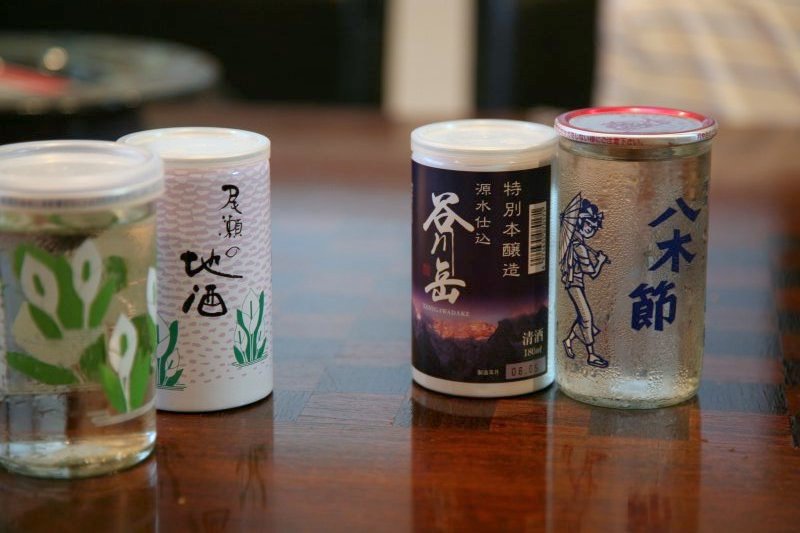
Sake
Sake is a Japanese traditional alcoholic beverage. It is brewed from water, rice and yeast.
In general, there are four basic types of sake. Honjozo-shu (本醸造酒)(at least 30% of rice polished away; a little of distilled alcohol is added), Junmai-shu (純米酒)(pure rice sake; no adding of distilled alcohol), Ginjo-shu (吟醸酒)(at least 40% of rice polished away; with or without alcohol added), Daiginjo-shu (大吟醸酒) (at least 50% of rice polished away).
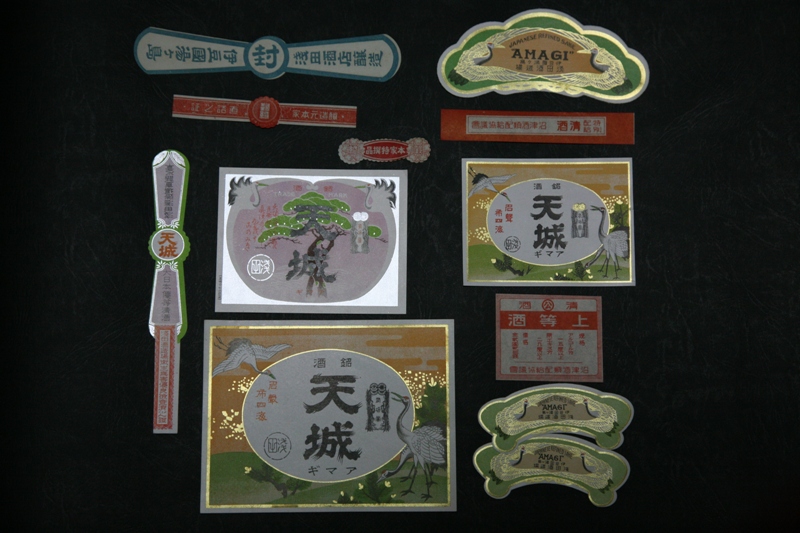
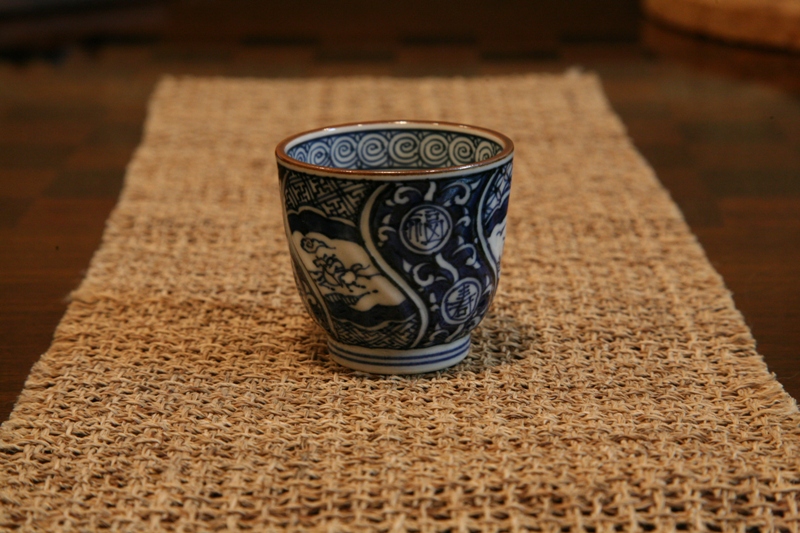
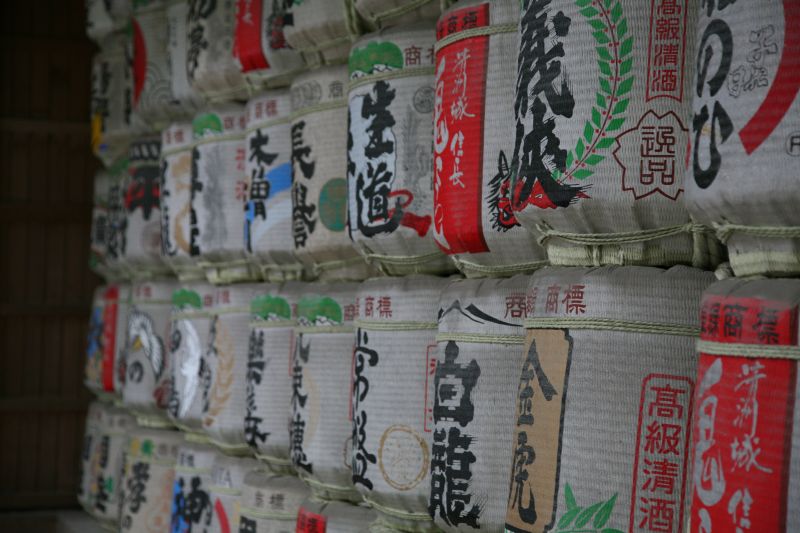
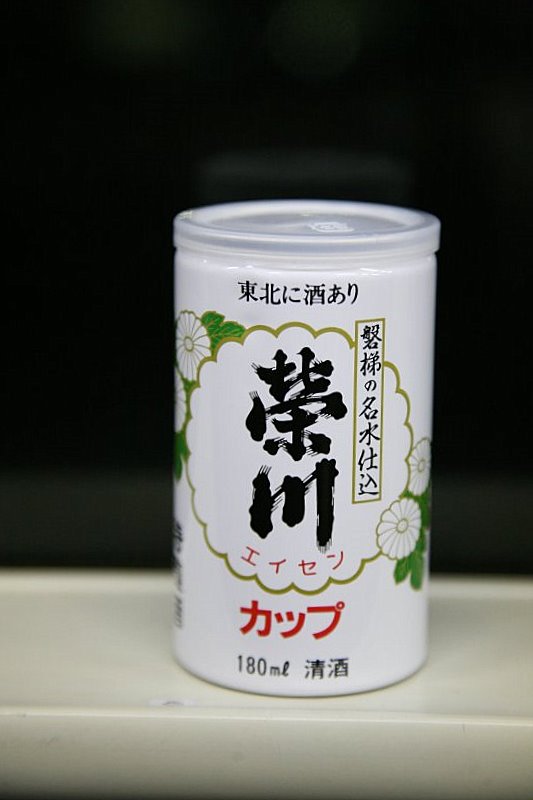
Eisen
Fukushima
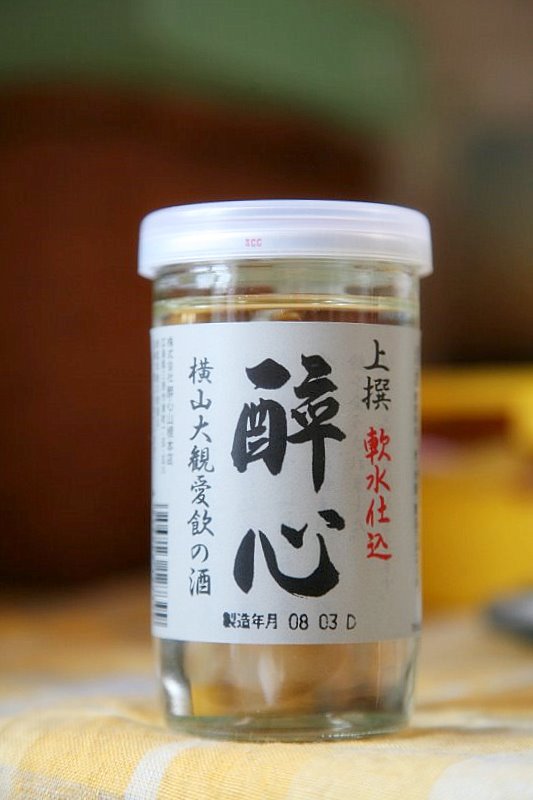
Suishin
Hiroshima
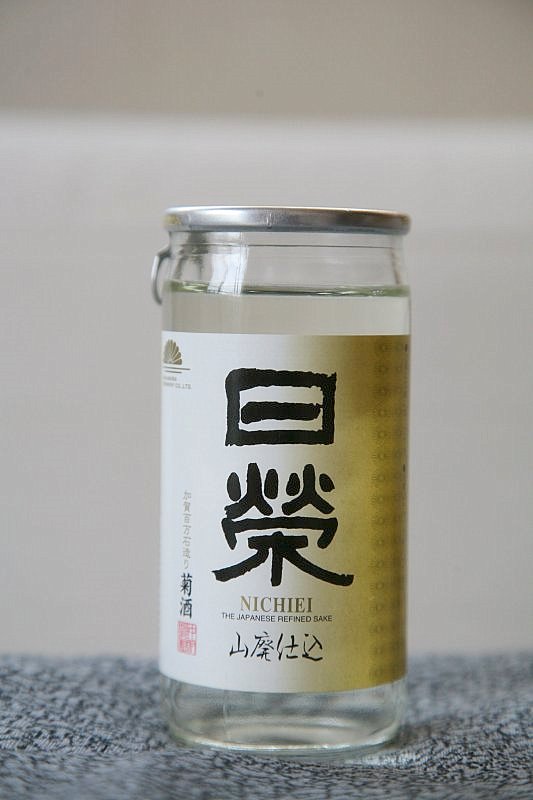
Nichiei
Ishikawa
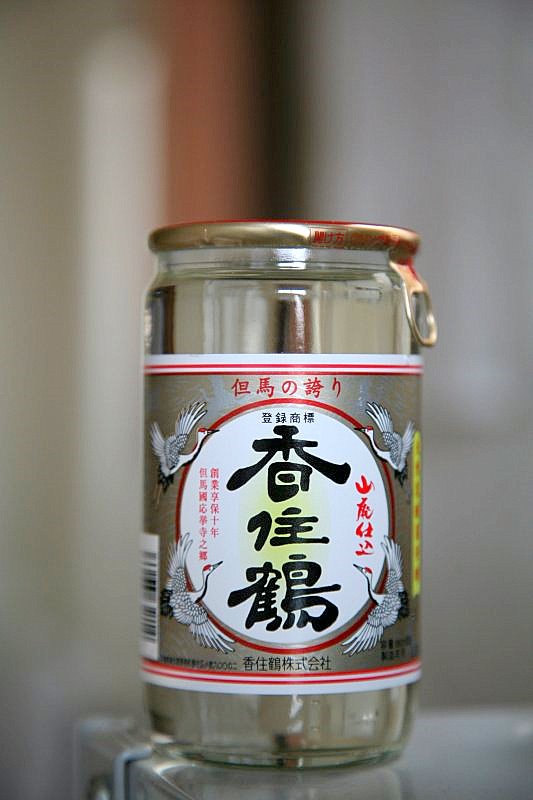
Kasumitsuru
Hyogo
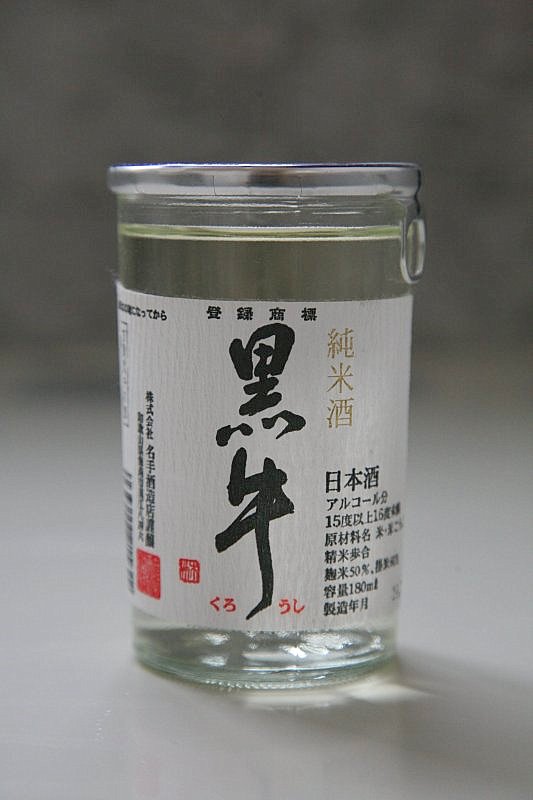
Kuroushi
Wakayama
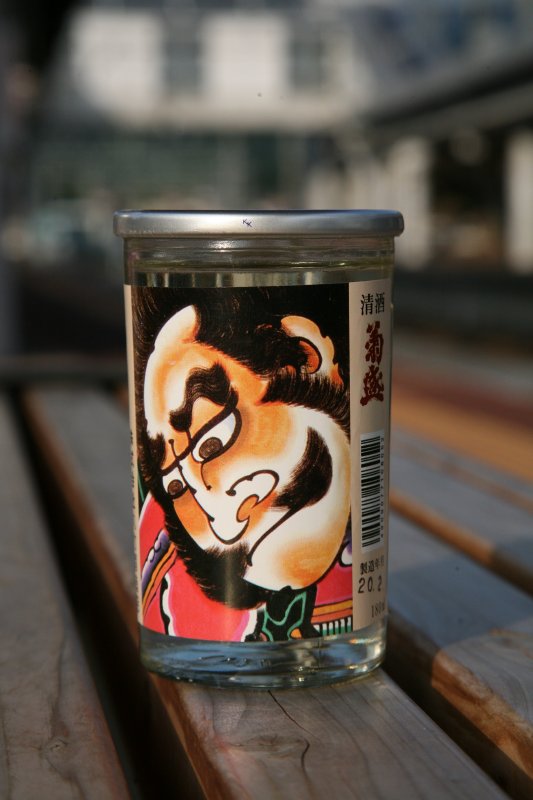
Kikuzakari
Aomori
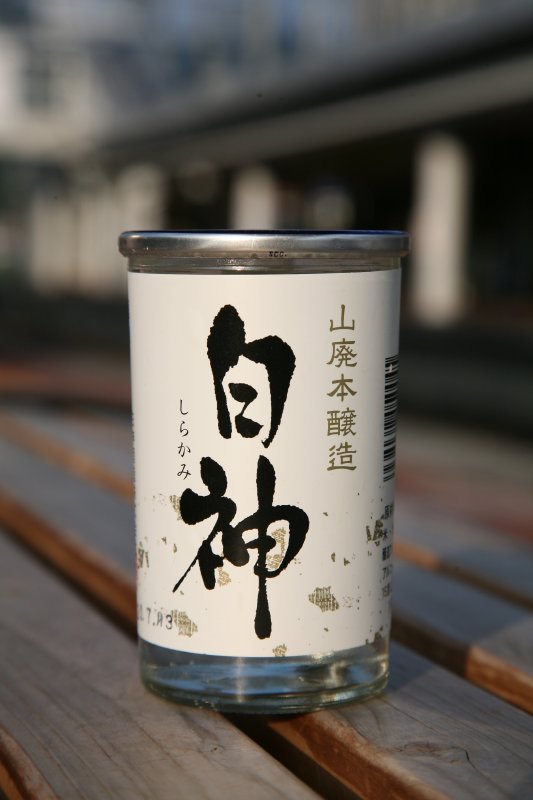
Shirakami
Aomori
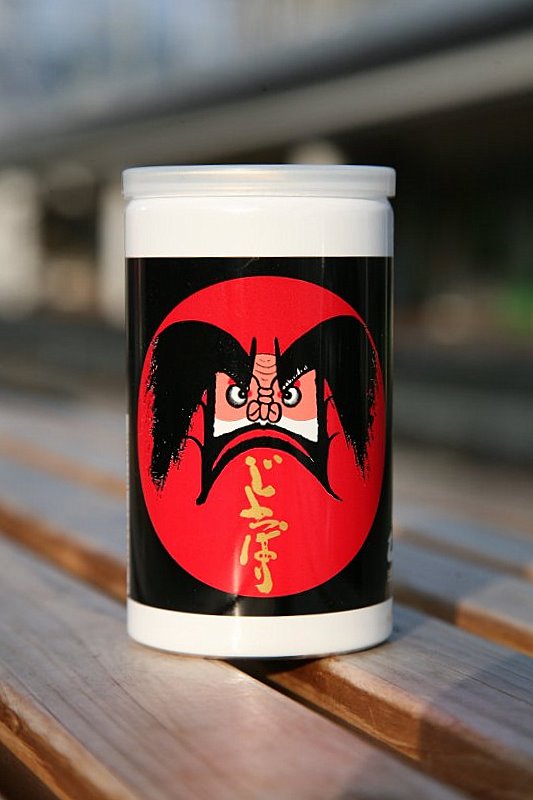
Joppari
Aomori
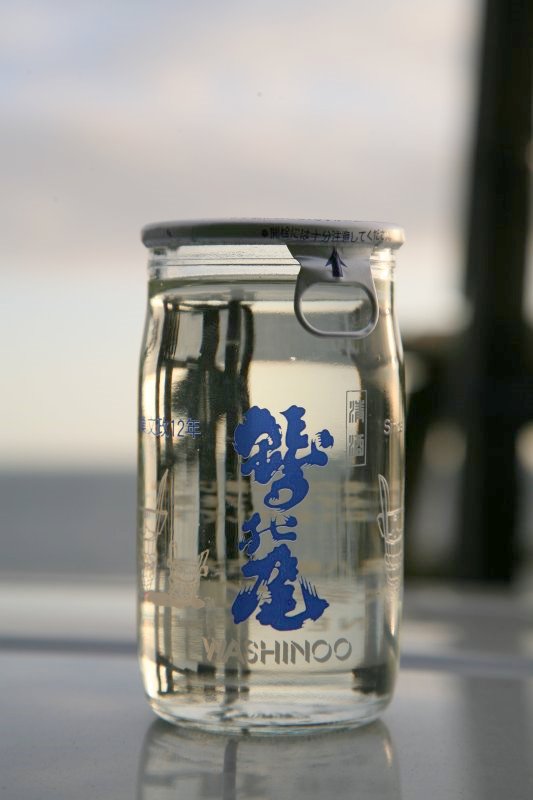
Washinoo
Iwate

Yagibushi
Gunma
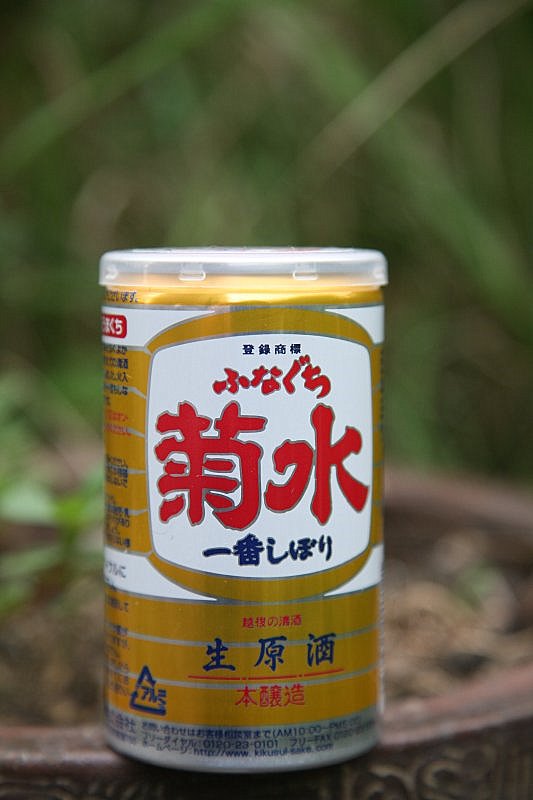
Kikusui
Niigata
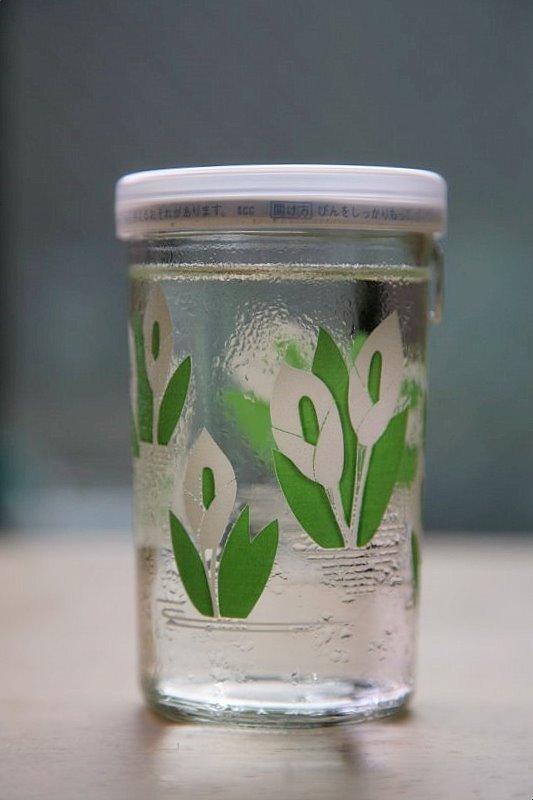
Ozenojizake
Gunma
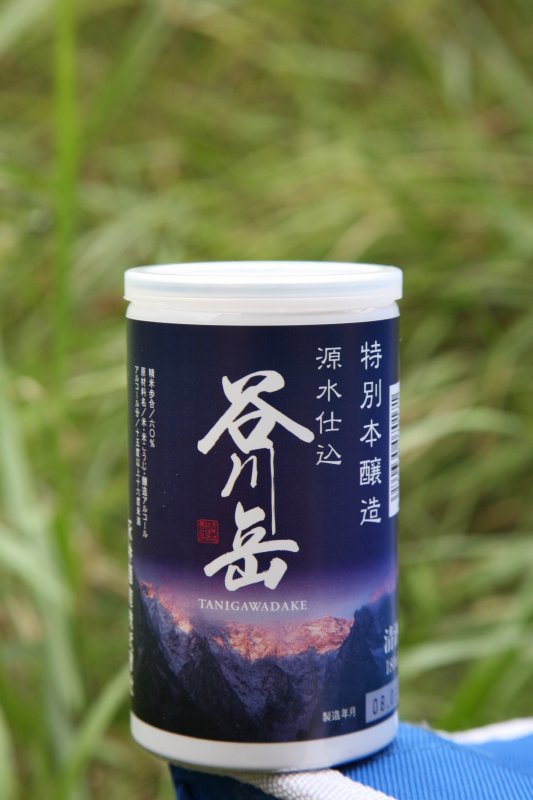
Tanigawadake
Gunma
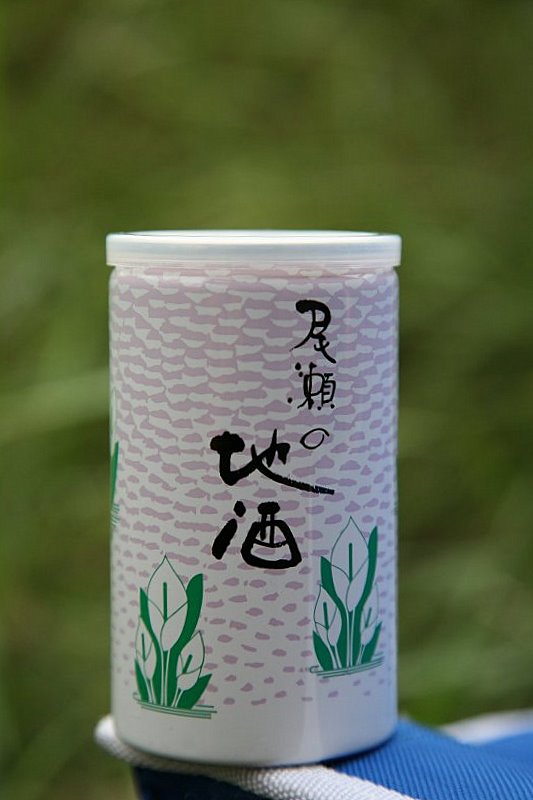
Ozenojizake
Gunma
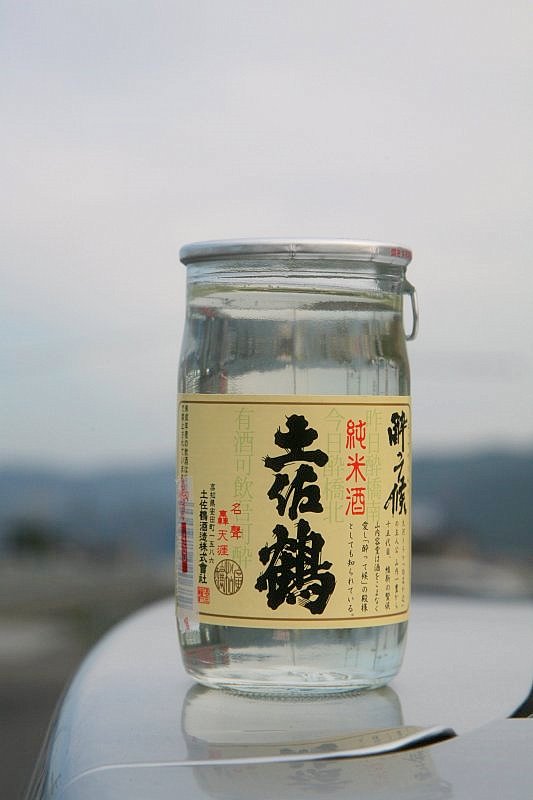
Tosazuru
Kochi
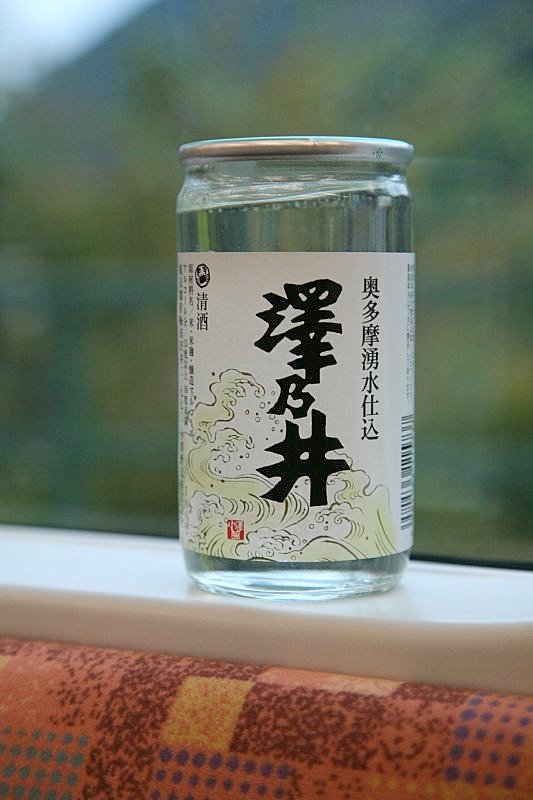
Sawanoi
Tokyo
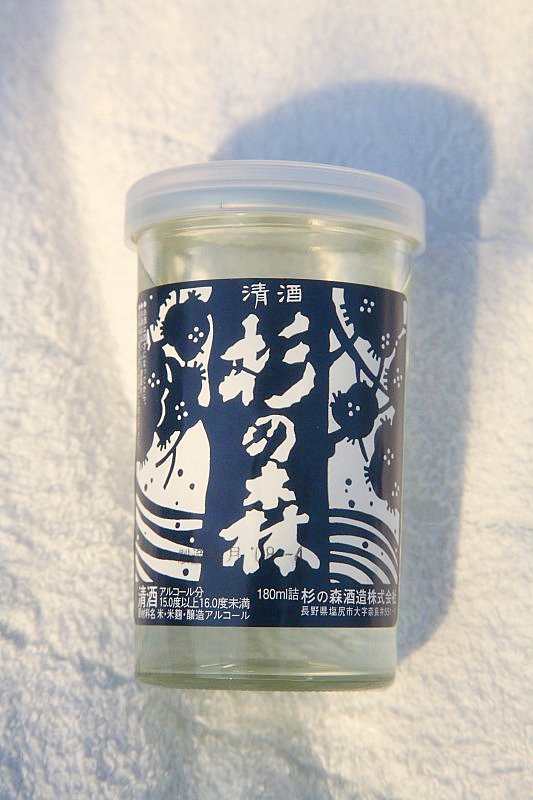
Suginomori
Nagano
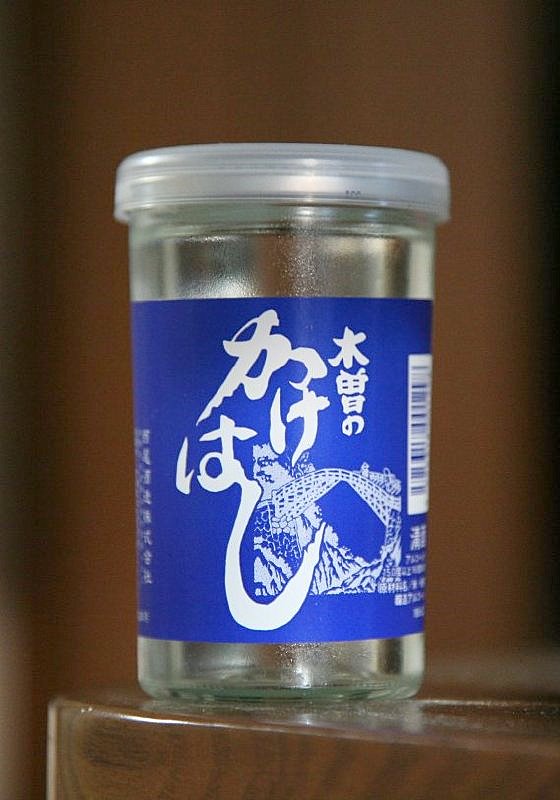
Kisokakehashi
Nagano
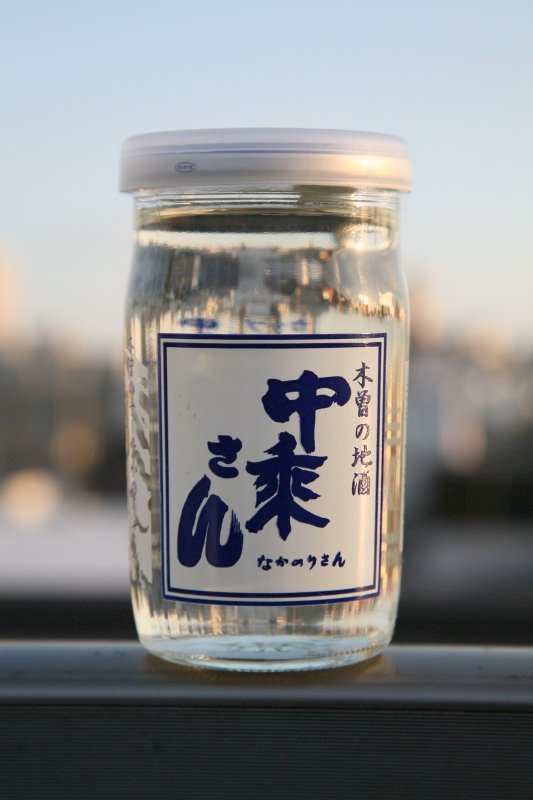
Nakanorisan
Nagano
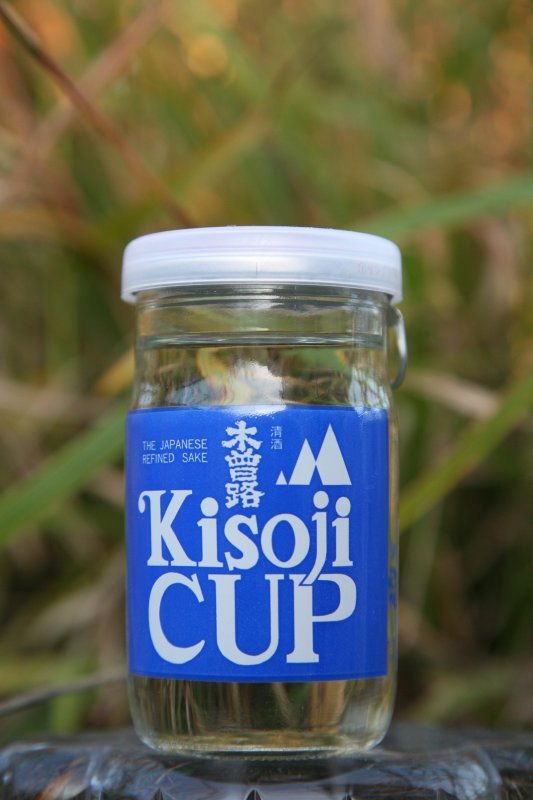
Kisoji
Nagano
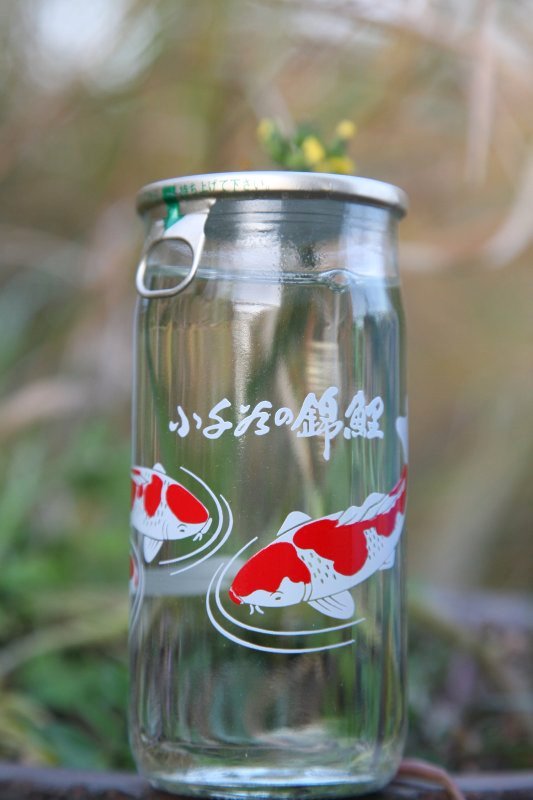
Chojya
Niigata
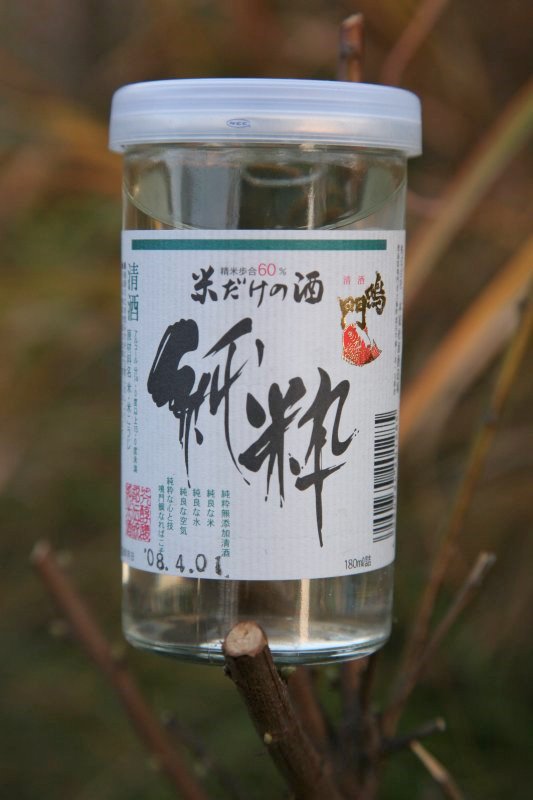
Junsui
Tokushima
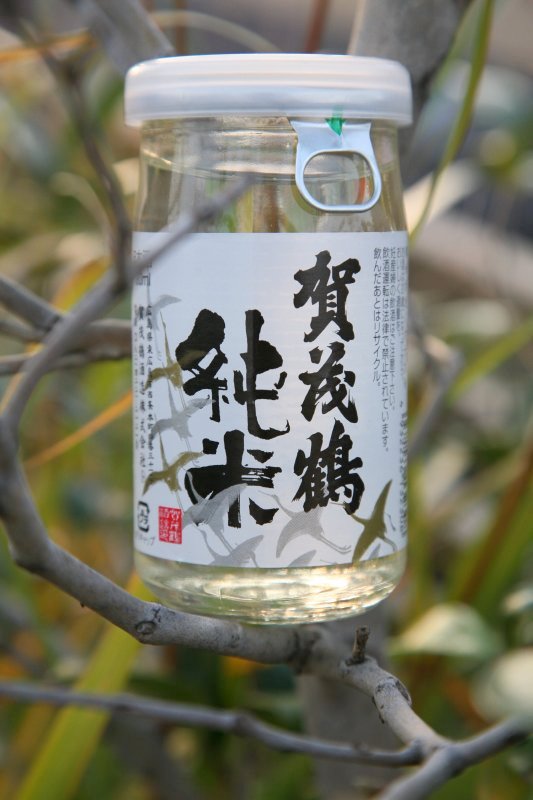
Kamotsuru
Hiroshima
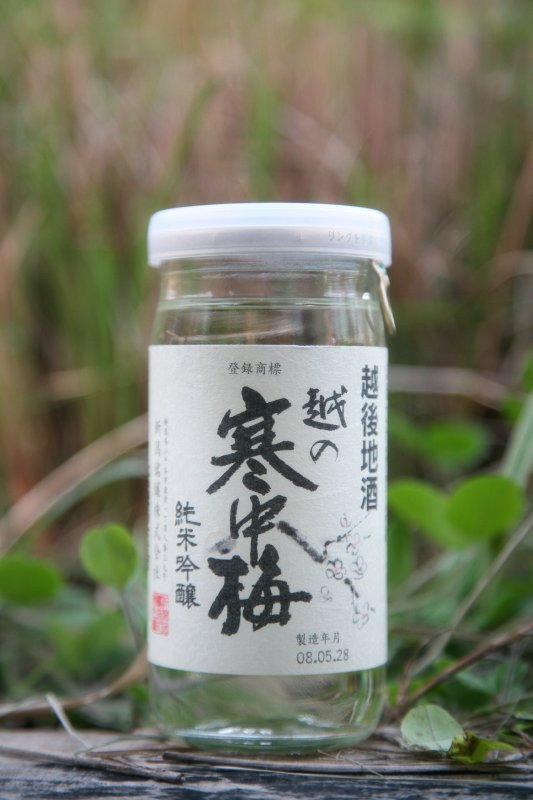
Kanchubai
Niigata
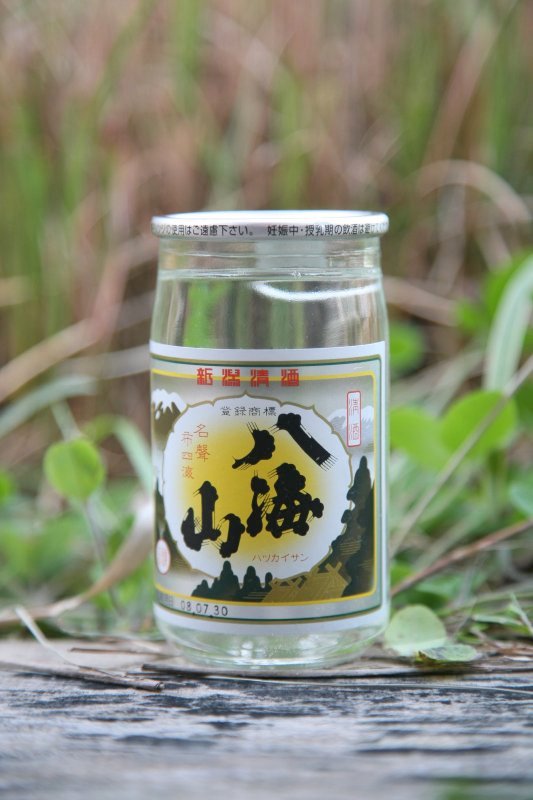
Hakkaisan
Niigata
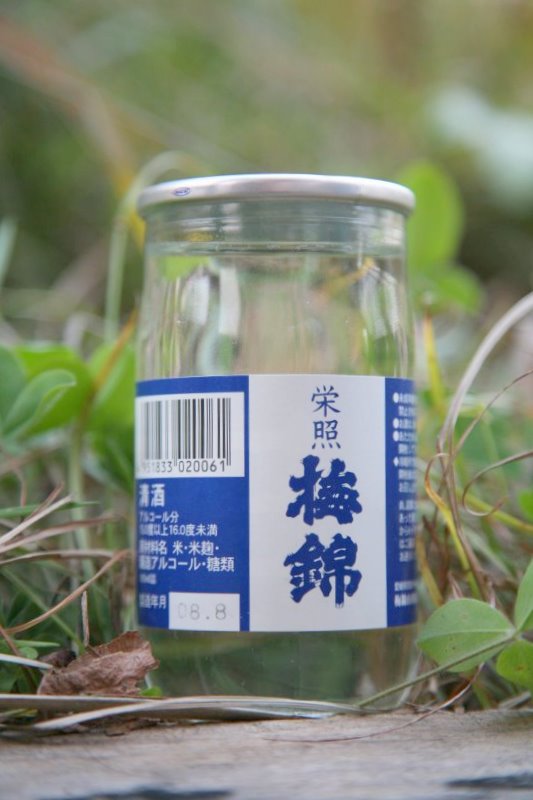
Umenishiki
Ehime
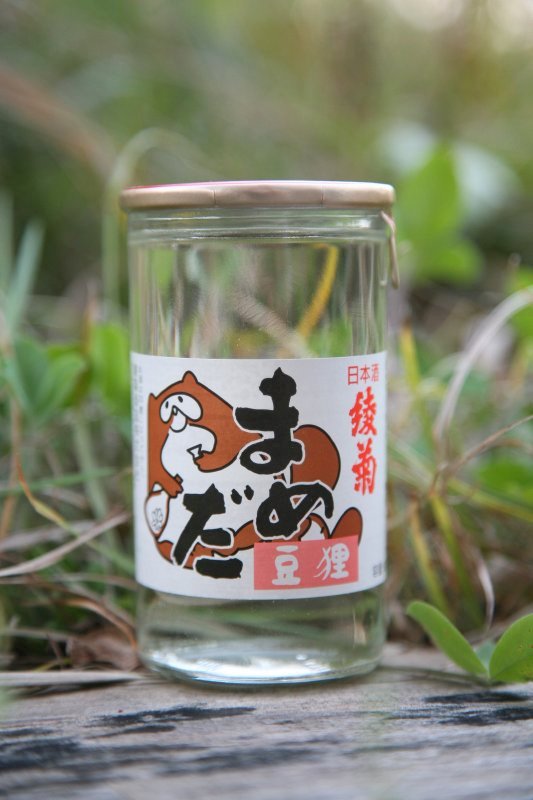
Ayagiku
Kagawa
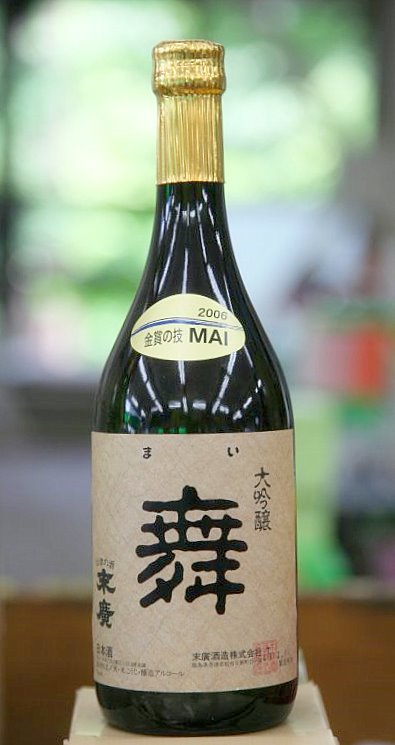
Mai
Fukushima
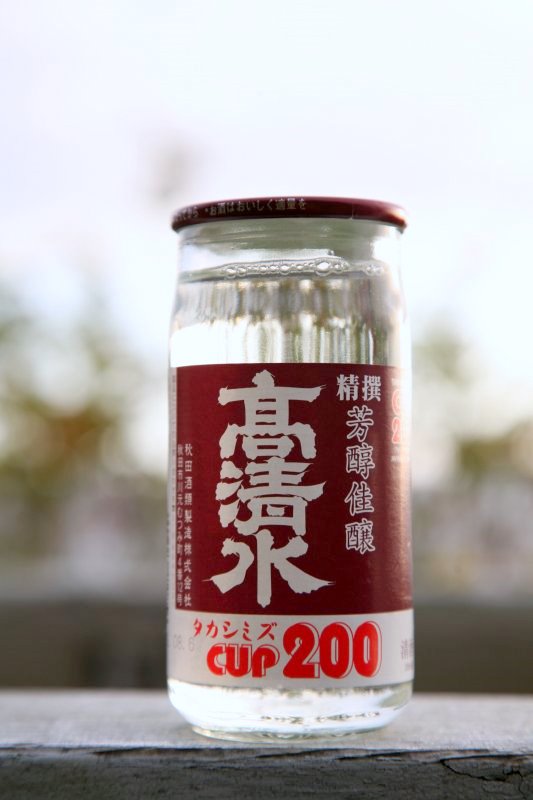
Takashimizu
Akita
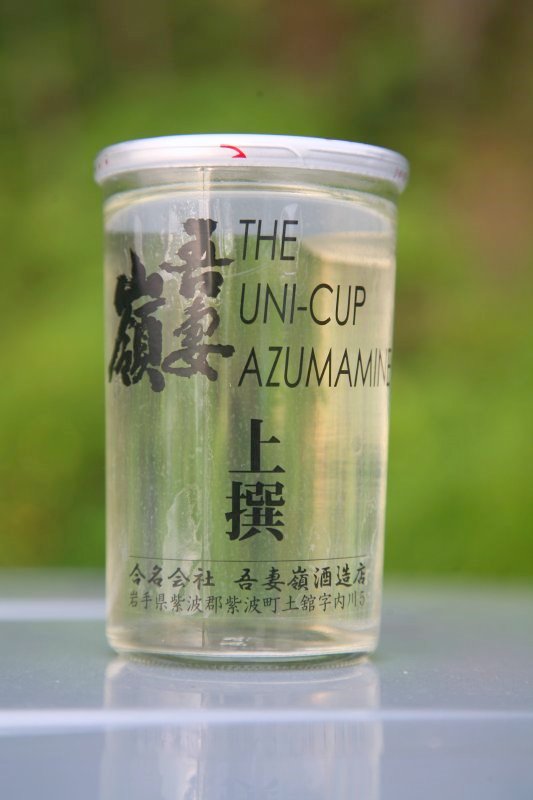
Azumamine
Iwate
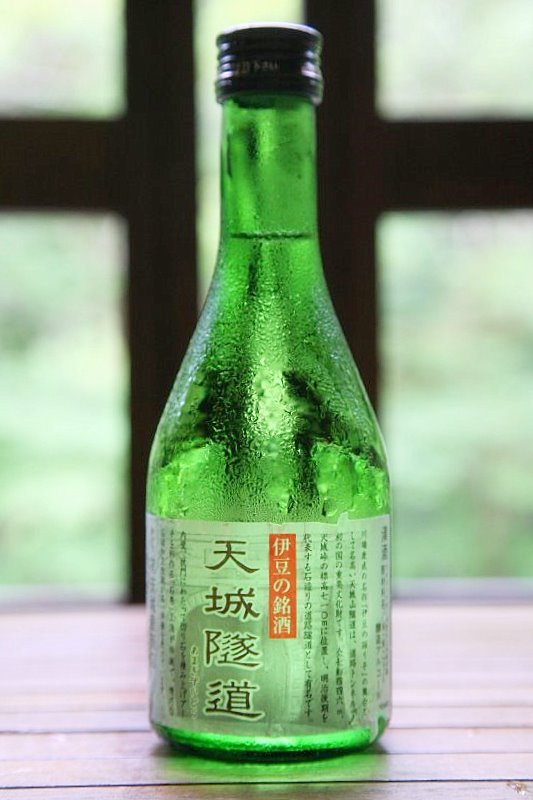
Amagizuidou
Shizuoka
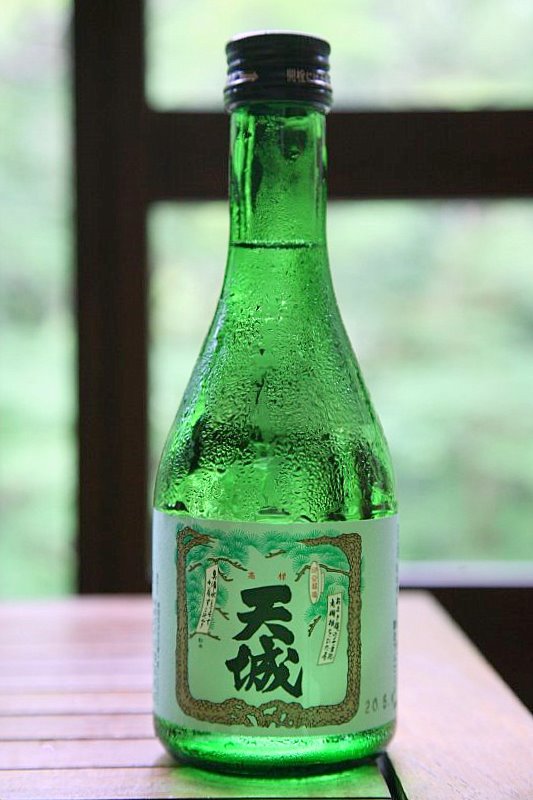
Amagi
Shizuoka
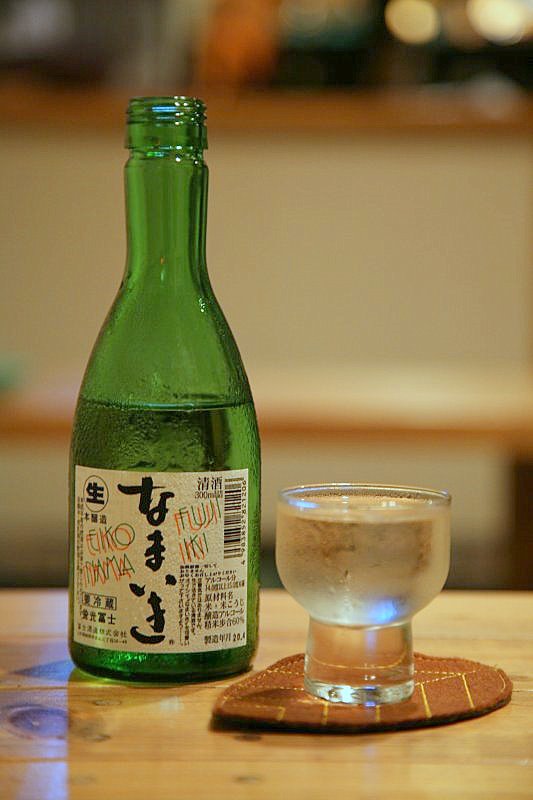
Namaiki
Yamagata
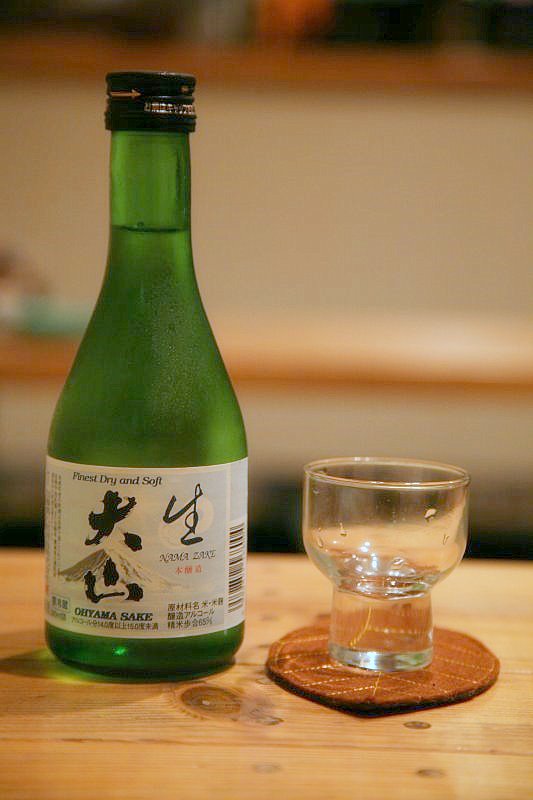
Oyama
Yamagata
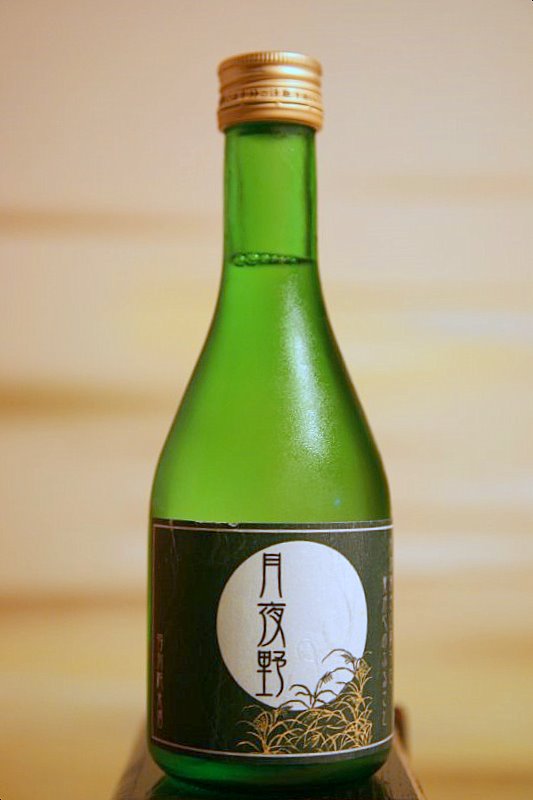
Tsukiyono
Gunma
Useful links


Japan web magazine


World heritage in Japan
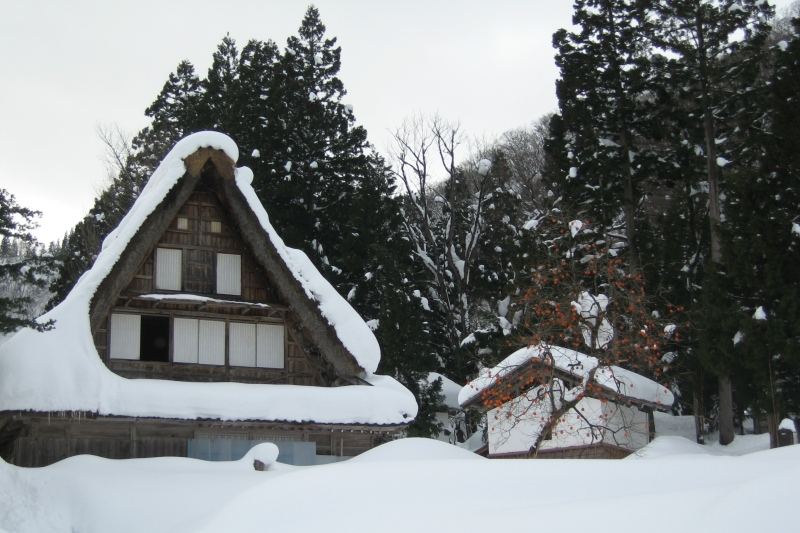
- Gokayama
Houses in the snow
Japan photo guide
- Takachiho jinjya shrine
- Takachiho gorge
- Tsujunkyo bridge
- Magome juku
- Asakusa Hagoita fair
- Futami Okitama Jinjya
- Fuji Sengen Jinjya
- Hie Jinjya
- Miroku-ji temple
- Heitate jingu
- Daimon Jinjya
- Tsukiji Namiyoke Jinjya
- Tsuwano Taikodani Inari Jinjya
- Tsurugaoka Hachimangu
- Nijo-jo castle
- Hama-rikyu gardens
- Hiraizumi Chuson-ji
- Koishikawa Korakuen Gardens
- Kumano Hayatama Taisya
- Rikugien Gardens
- Shishi-iwa
- Ise Jingu
- Tenryu-ji Temple
- Kinkaku-ji Temple
- Kiyomizu-dera Temple
- Kumano Nachi Taisya
- Kumano Hongu Taisya
- Koya-san Kongobuji Temple
- Kumano Kodo
- Todai-ji Temple
- Horyu-ji Temple
- Beautiful
- Peaceful
- Wonderful
- Traditional
- Remarkable
- Mighty
- Lively